
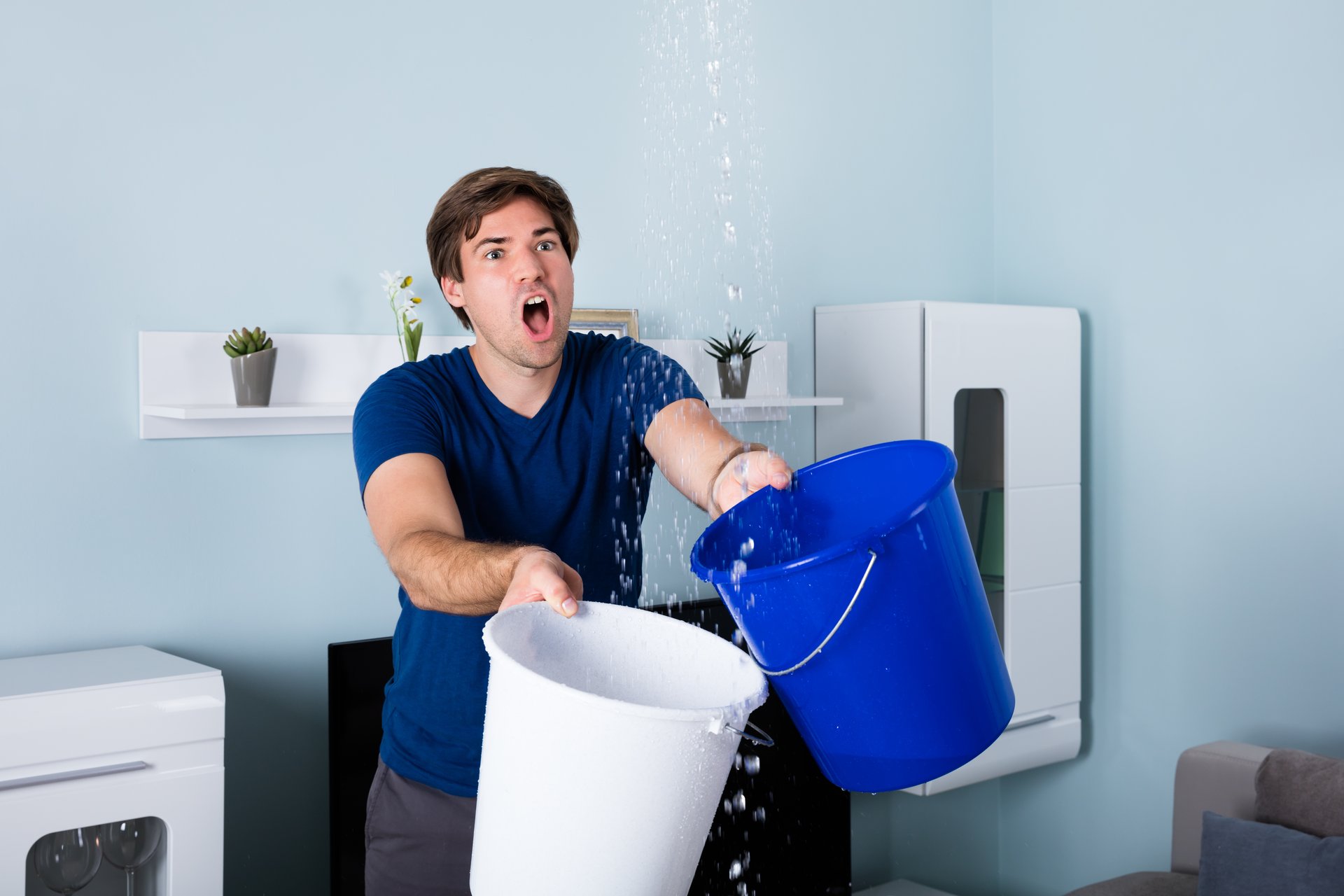

Here’s a number that should get you off the couch this weekend: $30,000.
That’s the average frozen-pipe claim State Farm paid from 2024 through June 2025, according to the insurer. It handled more than 20,000 of those claims and paid out more than $628 million.
And don’t assume this is a Minnesota problem. The five states where State Farm paid the most were Illinois, Oregon, Washington, Texas and Tennessee. You don’t have to live in the Snow Belt to get hit.
It doesn’t take a dramatic rupture, either. State Farm says even a small crack can leak more than 250 gallons of water a day. Leave for a long weekend, and you could come home to soaked drywall and ruined floors.
Here’s what makes this so maddening: Most of what prevents it costs little or nothing. It’s an afternoon of chores. Do them before the first hard freeze, and you’ve bought some of the cheapest insurance there is.
Why pipes burst (it’s not what you think)
Most people picture ice swelling until it splits the pipe. That’s not quite how it works.
Researchers at the University of Illinois’ Building Research Council found that ice first forms a plug inside the pipe.
As more water freezes, pressure builds in the water trapped between that plug and a closed faucet. That pressure is what blows the pipe open — often in a spot with little or no ice at all.
That’s why several of the chores below work. Keep the water from freezing, or give the trapped water somewhere to go, and the pressure never builds.
Now, here’s the list.
1. Disconnect and drain your garden hoses
A hose left screwed onto the spigot holds water right where the cold hits hardest. The American Red Cross says to remove, drain and store your hoses before winter arrives, and State Farm gives the same advice.
It takes five minutes. As a bonus, your hoses won’t crack.
2. Shut off the indoor valves to your outdoor faucets
Many homes have a shutoff valve inside — in the basement, a crawlspace or a utility room — that feeds each outdoor faucet.
The Red Cross says to close those valves, then open the outside faucets so the water left in the line can drain. Leave the outside faucets open for the winter.
If you’ve never gone looking for these valves, do it now. They’re a lot easier to find in October than in January, with water spraying across the floor.
3. Insulate the pipes in cold spaces
Pipes in an attic, crawlspace, garage or along an outside wall are the ones most likely to freeze. The Red Cross recommends foam pipe sleeves or UL-listed heat tape on pipes in unheated areas, plus extra insulation in attics, basements and crawlspaces.
Pipe sleeves are cheap and sold at any hardware store. And if a cold snap catches you unprepared, the Red Cross notes that even a quarter-inch of newspaper wrapped around a pipe offers real protection.
While you’re at it, State Farm recommends sealing the leaks that let cold air reach your pipes in the first place.
4. Never let the house drop below 55 degrees
Both State Farm and the Red Cross say to keep your heat at 55 degrees or higher, even when you’re away. During a cold snap, the Red Cross says you’re better off keeping the thermostat at the same setting day and night.
I’m all for turning down the heat. It’s one of the best ways to fight a heating bill that’s forecast to hit $1,030 this winter. Just don’t let an empty house fall below 55.
Here’s why that matters twice. Your insurer may expect it. Insurance regulators in the District of Columbia say homeowners policies typically require you to keep the heat on — some specify at least 55 degrees in every part of the house, even when it’s vacant.
If the company decides you neglected your home, it may not pay. The National Association of Insurance Commissioners says much the same: Coverage can hinge on whether you took reasonable steps to prevent the damage.
Quick aside — most internet financial advice comes from people who weren’t alive during the last recession. I’ve been writing about money for more than 35 years. Want rock-solid advice? Sign up for the free Money Talks Newsletter. Takes 10 seconds. No fluff. No spam.
5. Open the cabinet doors under sinks on outside walls
Kitchen and bathroom pipes often run through cabinets on exterior walls, boxed in away from the heat of the house. On frigid nights, State Farm and the Red Cross both say to open those cabinet doors so warm air can reach the pipes.
If you have small kids or pets, be sure to move the cleaning supplies up and out of reach.
The same logic applies to the garage. If water lines run through it, the Red Cross says to keep the garage door closed.
6. Let faucets drip on the coldest nights
This one sounds wasteful. It isn’t.
The Red Cross says to let cold water drip from faucets served by exposed pipes when it’s extremely cold. Remember the pressure problem? A dripping faucet gives that trapped water an escape route.
A slow drip overnight costs next to nothing. A burst pipe costs, on average, $30,000.
7. Find your main water shutoff now
If a pipe does burst, every minute counts, and your main shutoff valve is how you stop the flood.
San Francisco’s Public Utilities Commission says the valve may be inside, in a garage, basement or closet, or outside near the water meter. It’s often the largest valve coming out of the wall.
Find it, make sure it turns and tag it, so anyone in the house can shut off the water in a hurry.
If a pipe freezes anyway
If a faucet gives you a trickle or nothing at all on a frigid morning, a pipe may be frozen.
The Red Cross says to leave that faucet open and warm the pipe with a hair dryer, an electric heating pad, a space heater or towels soaked in hot water.
Never use a blowtorch, a kerosene or propane heater, or any other open flame. If you can’t find the frozen section or can’t reach it, call a licensed plumber. This guide, “Frozen Pipes? Here’s How to Thaw Them,” walks you through it.
What your insurance will — and won’t — cover
Now the good news. Colorado’s insurance regulators say burst pipes and the damage they cause are generally covered by homeowners and renters policies.
The key word is “sudden.” The Insurance Information Institute says sudden damage, like a burst pipe, is typically covered, while damage that builds slowly from poor maintenance isn’t.
And as I said earlier, letting an empty house go cold can give your insurer a reason to say no.
If it happens to you, shut off the water and call your insurer right away. Colorado regulators recommend documenting the damage, getting the company’s instructions before you start repairs, and keeping receipts if you have to stay somewhere else while the house dries out.
If this has you wondering whether your policy is up to the job, or whether you’re paying too much for it, you can compare homeowners insurance in our Solutions Center.
The bottom line
Frozen pipes aren’t just bad luck. Most of the time, they’re the result of skipping a few cheap fall chores.
Your plumber has plenty of expensive surprises waiting for you already — including the ones in Stop Flushing These 5 ‘Safe’ Items or Face a $4,000 Bill. Don’t add a $30,000 surprise to the list.
Spend an afternoon this weekend, and the only thing you’ll need to worry about this winter is the heating bill.
Read the full article here